Most people give Hiroshima a day. Arrive in the morning, see the memorial, leave before dinner. It is understandable — Japan is large, itineraries are full, and Hiroshima carries a weight that makes people uncertain how long to stay.
One night gives you the history. Two nights gives you the city. And if you can manage a third day, Miyajima is waiting thirty minutes away.
Day OneThe city surprises you
Most people arrive already carrying the weight of the name. You step off the train expecting something sombre, and the city hands you ordinary life instead — trams, schoolchildren on bikes, someone arranging flowers outside a shop. That ordinariness is the first thing Hiroshima gives you, and it is worth paying attention to.
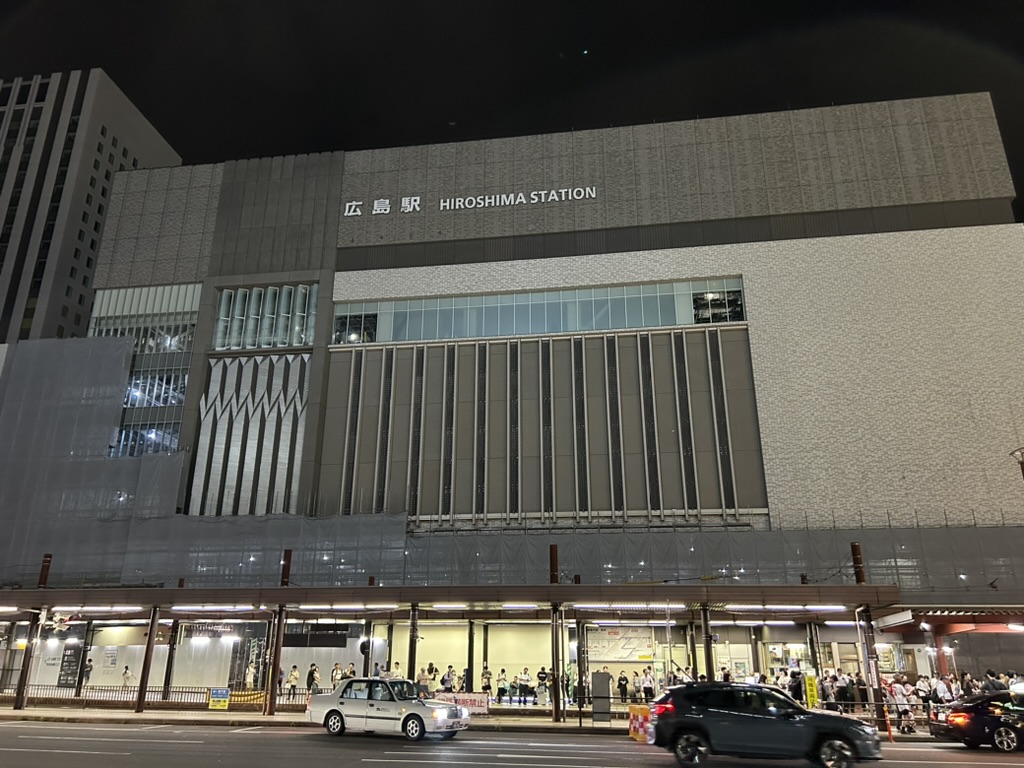
The standard plan puts the Peace Memorial Museum on day one. I would push back on that. Arrive, take the tram, eat okonomiyaki somewhere you have to wait for a seat. Walk to the river at dusk. Let the city be a city for a few hours before you ask it to be a memorial.
The tram from the station drops you right into the city. Line 2 or 6 from Hiroshima Station — get a day pass if you plan to use it more than twice. But honestly, once you are near the river, most things are walkable.
"Let the city be a city for a few hours before you ask it to be a memorial."
Day TwoWhat the museum gives you
The Peace Memorial Museum makes more sense on day two — after you have slept here, watched people walk to work past your window, bought a coffee from the same place twice. The history lands differently when it belongs to a city you have started to know rather than one you have just read about.
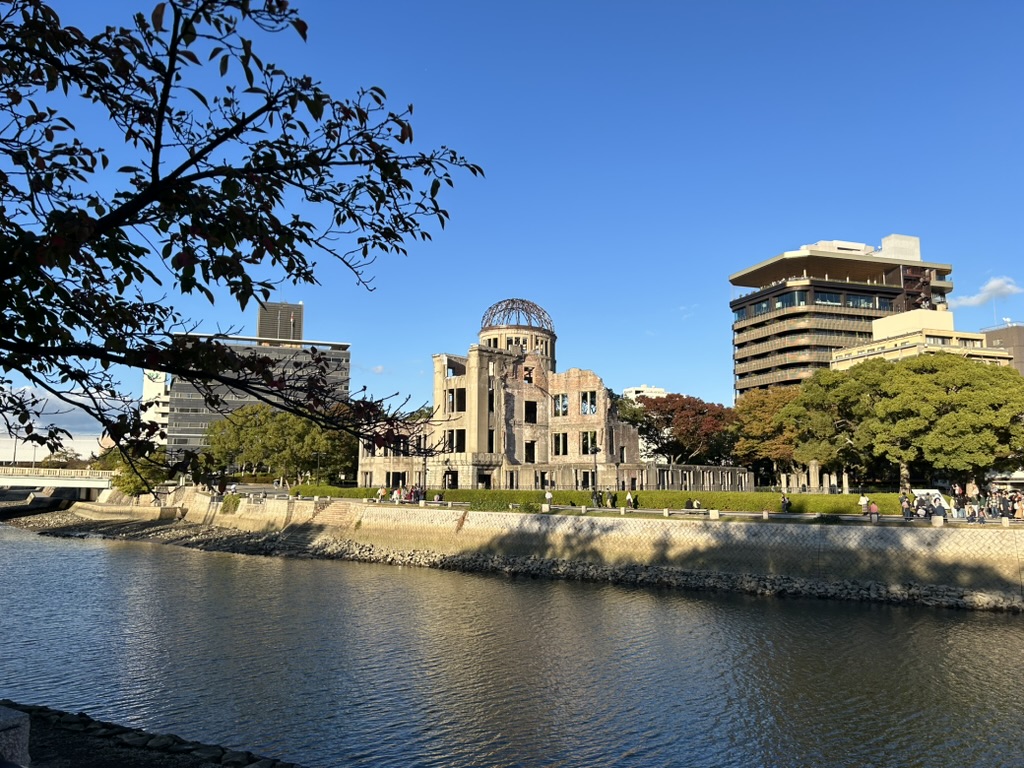
After the museum, most visitors leave. That is the part I would change. The afternoon after is when Hiroshima offers something no itinerary can schedule. You need somewhere quiet to sit. The river is close. Shukkei-en garden is fifteen minutes away on foot. You do not need to do anything — you just need time to let it settle.
I go back about once a year — not out of obligation. It just happens. Each time, I come out and sit somewhere in the park. It is not a sad feeling, exactly. It is closer to 有難い.
Day ThreeMiyajima — if you can stay
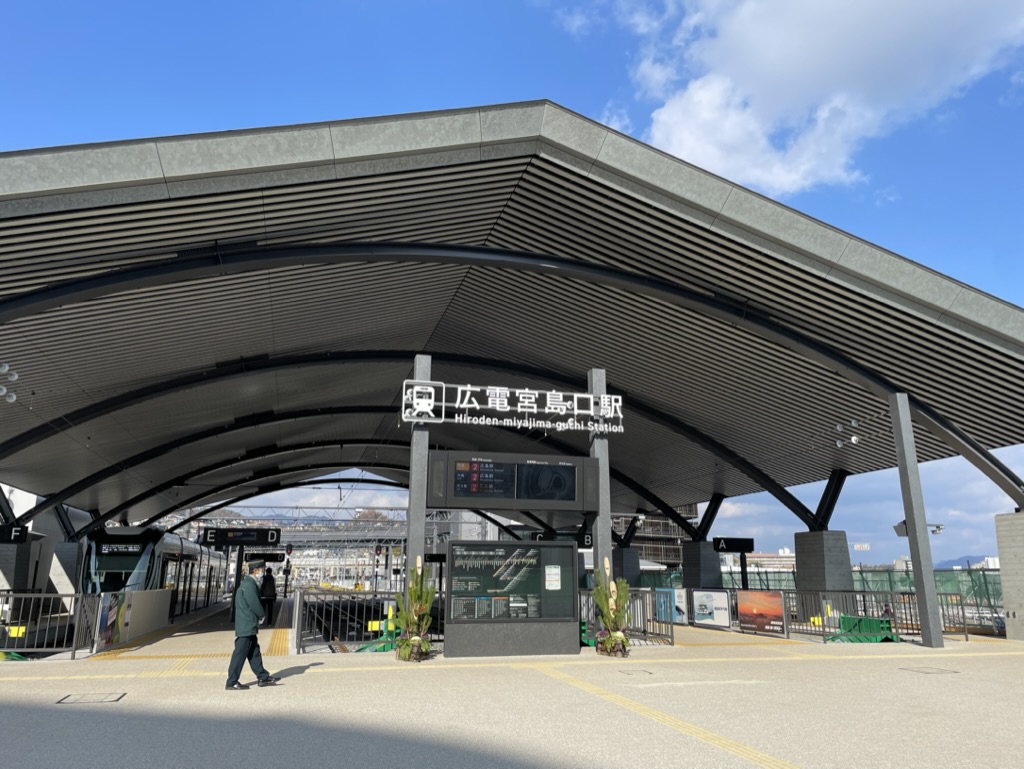
The island is thirty minutes from the city by tram and ferry, and it earns its own day.
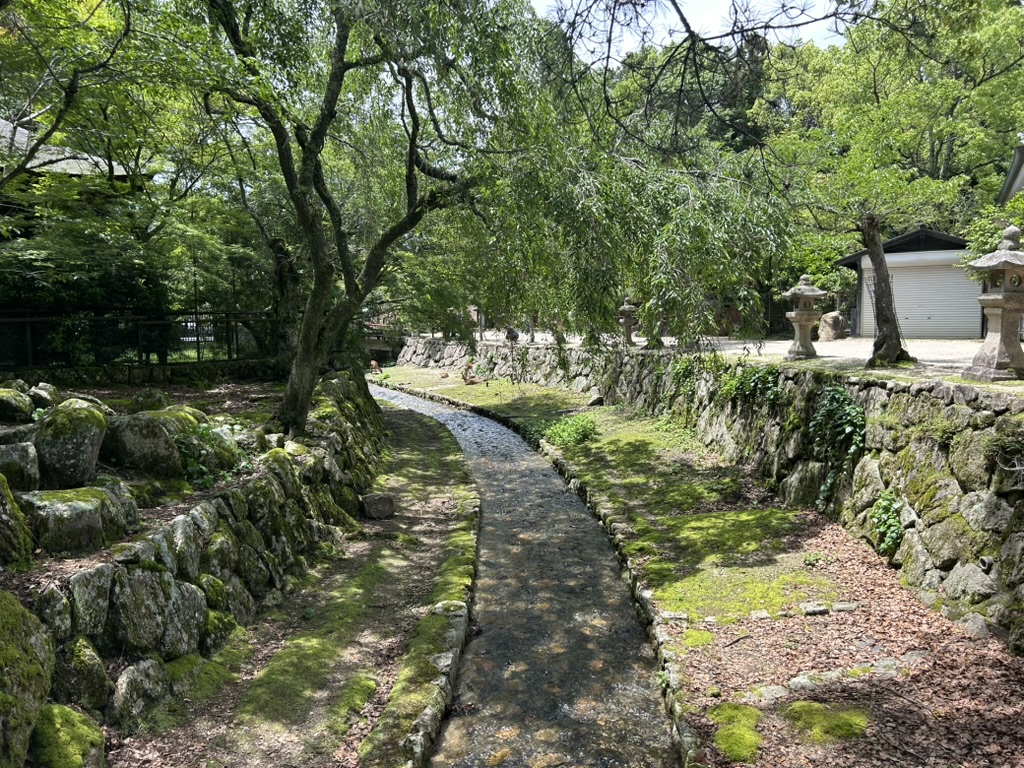
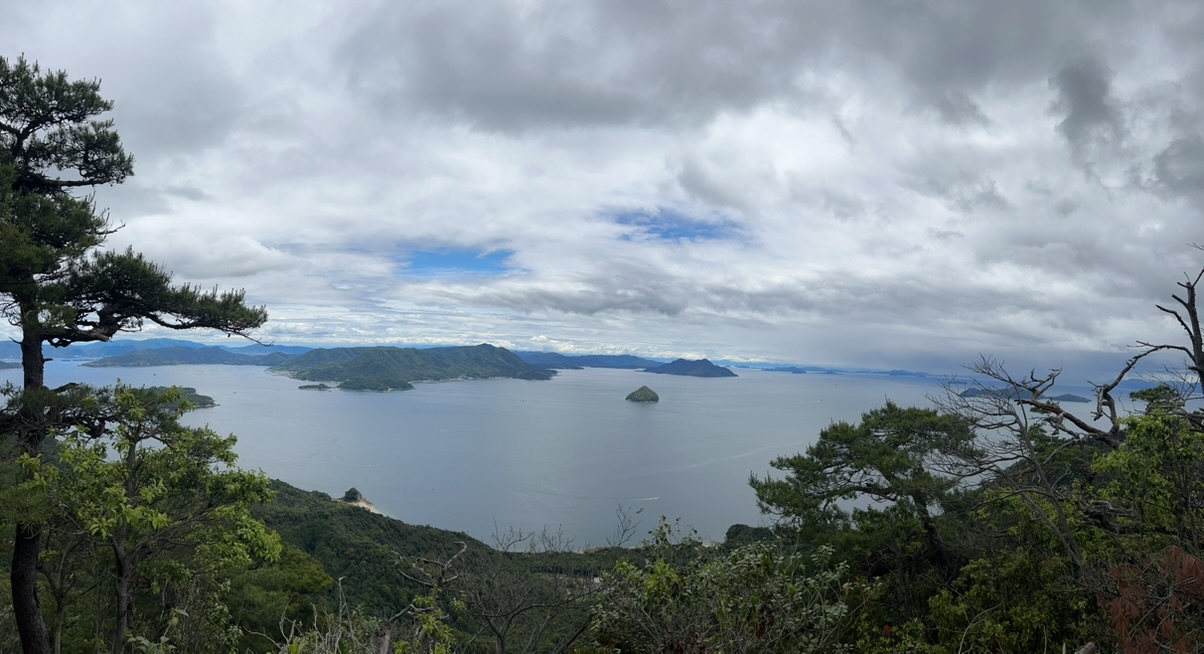
Walk into the woods — the kind that go quiet quickly, where the path is uneven and light comes through in pieces. Listen to the waves below when the trees thin out.
Climb to the top and let the view open up. Then on the way back down, stop for momiji manju — the maple-leaf cakes, warm, filled with sweet bean paste — and matcha ice cream, which tastes better here than it has any right to. Find a spot near the shore and wait for the sunset. Most day-trippers have already left by then.
The last ferry back is around 10pm in summer. You do not need to rush. The island at dusk, when the day-trippers are gone and the deer are wandering freely again — that is the version of Miyajima most people miss.
For the full Miyajima guide — the shrine, the tide times, what to eat — Two days in Hiroshima →
The city that doesn't compete
Hiroshima does not try to be Kyoto or Tokyo. It does not perform. The trams run on the same routes they have used for decades, and most of the people on them are going to work or school, not to a landmark. The covered shopping arcades smell like grilled food and old wood. There are bars that have been serving the same regulars for thirty years.
That is what two nights actually unlocks — not a second set of sights, but enough time to stop being a visitor for a few hours. One night and you are always moving. Two nights and somewhere around the second morning, the city starts to feel real.
Give it a chance
Two nights will not be enough. You will leave with a list of things you did not get to. That is not a failure of planning — that is Hiroshima working as it should.
Come for the history. Stay long enough to feel the city that built itself back. They are not two separate stories.