The Peace Memorial, the A-Bomb Dome, Miyajima — these are important places, and I understand why people go. But if you're wondering what else to do in Hiroshima beyond the main sights, the answer is: a great deal. The city has a quiet daily life behind all of that: neighbourhoods where almost no tourists come, trips that take you somewhere completely different within an hour, moments that stay with you long after the photographs have faded. These are the places I keep coming back to. I hope some of them find a place in your journey too.
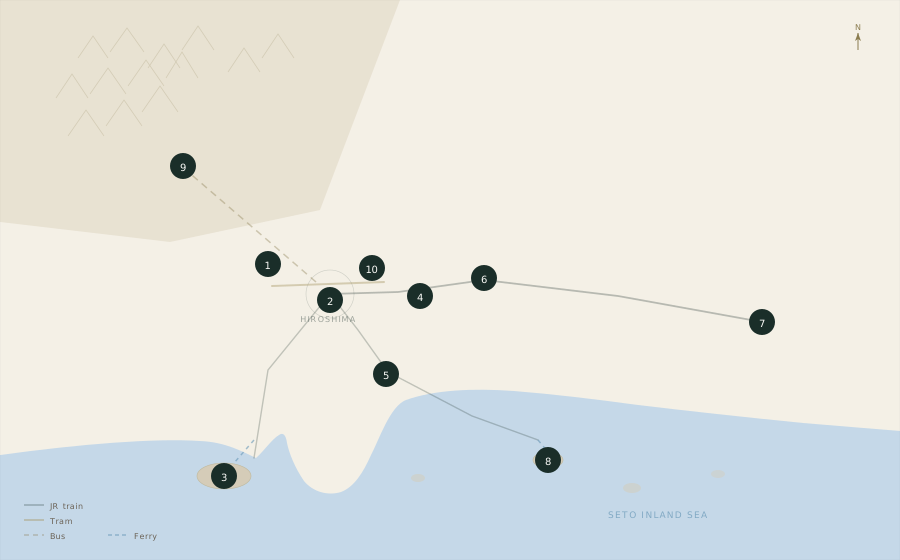
Numbers correspond to the ten spots below.
01Mitaki-dera Temple
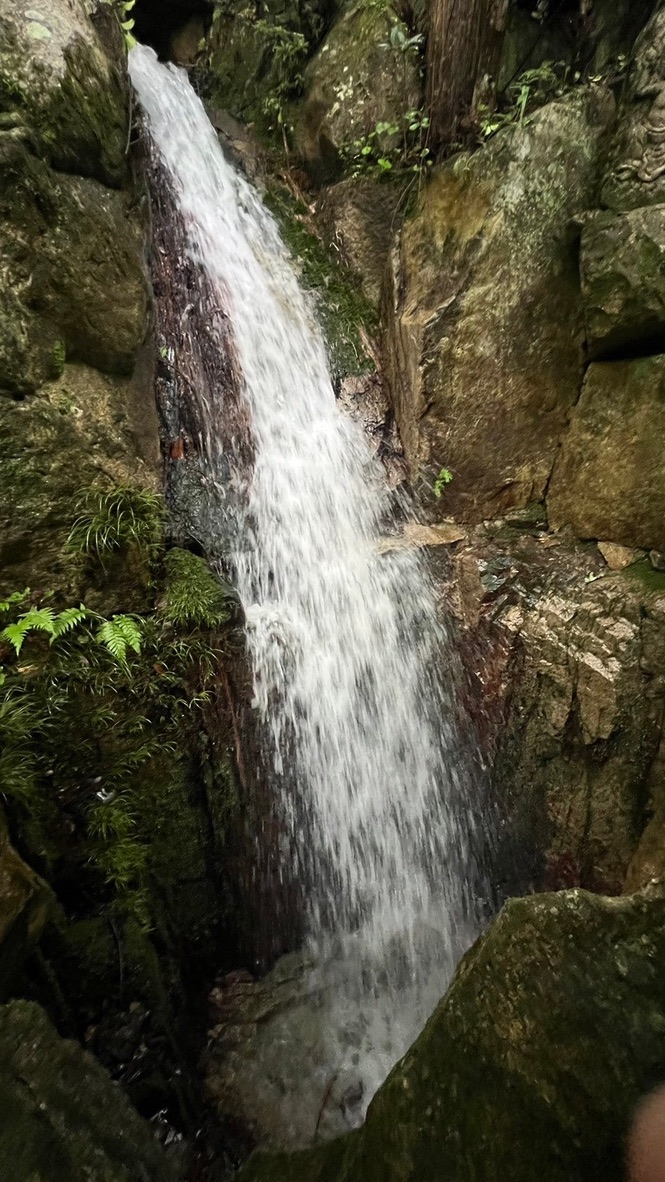
Most people know Hiroshima's temples by their famous names — Itsukushima, Daisho-in. But thirty minutes by tram from the city centre, up a forested hillside in Nishi Ward, sits a temple that almost no tourists visit. Mitaki-dera was founded in 809, deep in a gorge where three waterfalls (三滝 — mitaki means "three waterfalls") cascade through a forest of moss-covered stone and ancient cedar.
"I've been here dozens of times and I have never, not once, been crowded."
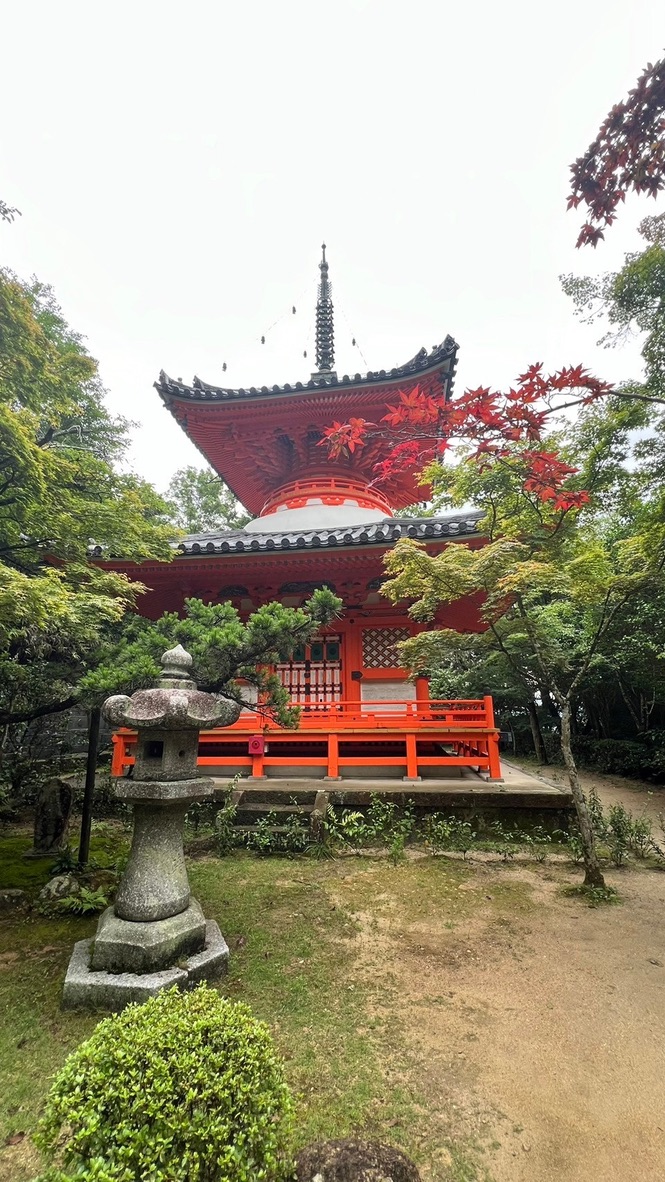
You reach it on foot from Mitaki Station — a ten-minute walk along a path lined with stone lanterns and small Jizo statues. In summer, the shade of the forest makes the air noticeably cooler than the city below. In autumn, the maples turn red and gold in layers that feel almost theatrical. I've been here dozens of times and I have never, not once, been crowded.
There's something about the combination of running water, old stone, and near-silence that resets something in you. This is the temple I come to when I need to breathe.
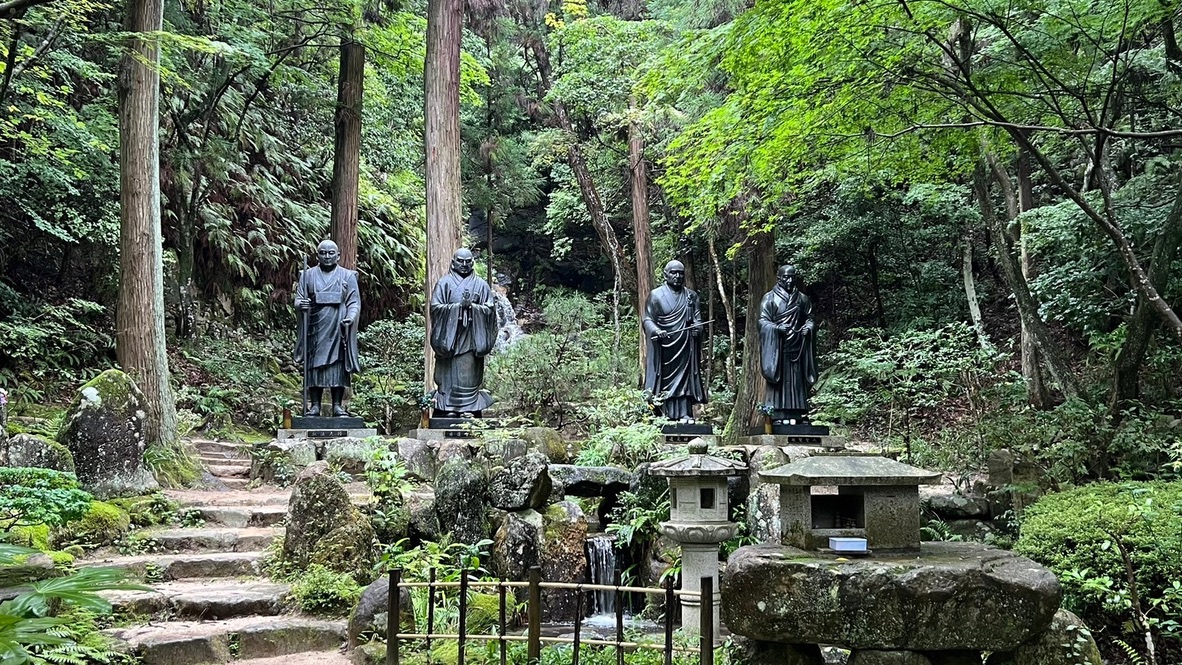
Early morning is best — before nine, when the light comes through the cedars and the path is still yours alone.
Cost — Free (donations welcomed)
Best time — Early morning in any season. Autumn (mid-November) for the maples.
Time needed — 1–2 hours
Links — Visitor info ↗ · Google Maps ↗
02Daisho-in Temple, Miyajima
Almost everyone who visits Miyajima sees the floating torii gate and the Itsukushima Shrine. Almost no one walks the extra ten minutes uphill to Daisho-in.
"Almost no one walks the extra ten minutes uphill to Daisho-in."
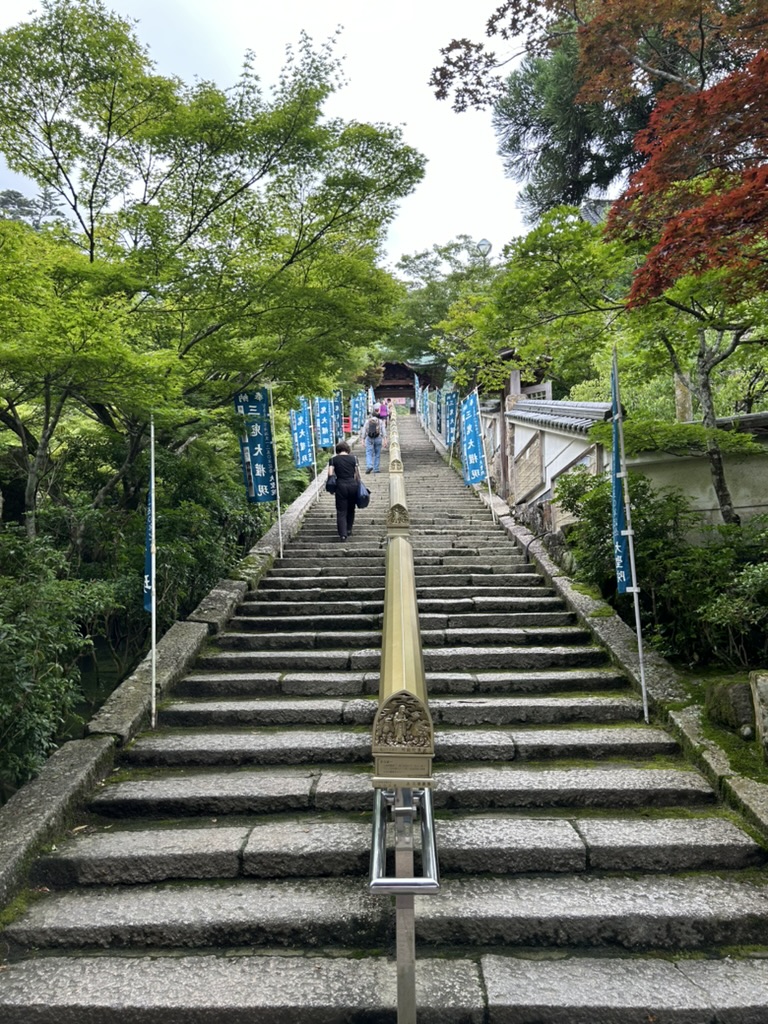
This is one of the most quietly atmospheric Buddhist complexes I know. You climb stone steps past hundreds of small Jizo statues — each wearing a knitted red hat, placed there by worshippers over the years — and enter a series of halls filled with sand mandalas, hanging lanterns, and the smell of cedar and incense. On the way up, a covered corridor of prayer wheels invites you to spin each one as you pass. The sound they make together is something you don't forget.
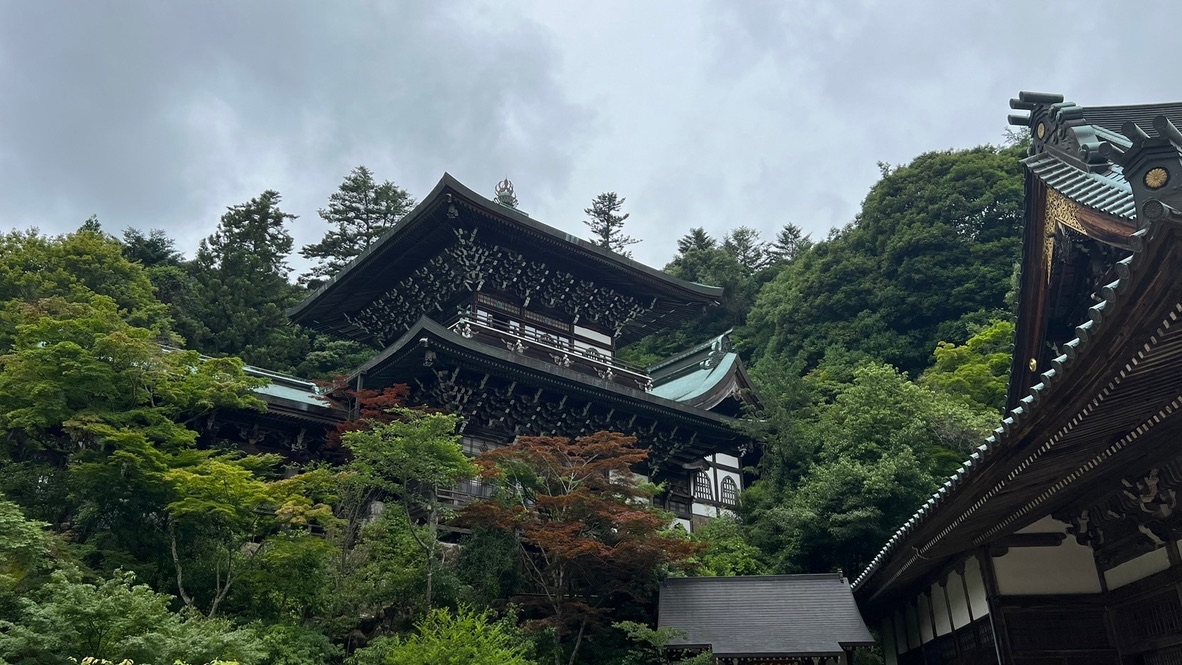
In the main hall, there are intricate mandala murals painted in gold and deep red. In spring, cherry blossoms fall slowly over the stone courtyard below. In autumn, the maple trees inside the complex turn every shade of red and orange. It's ten minutes from the main shrine and almost always calm.
Most tourists who visit Miyajima allow three to four hours. Add one more, and come here.
Spin every prayer wheel on the covered walkway as you climb. It takes only a moment, and the sound they make together stays with you.
Cost — ¥300 adults
Open — Daily, 8am–5pm
Time needed — 45–90 minutes
Links — Official site ↗ · Google Maps ↗
03The Mazda Museum
Hiroshima was, in a real sense, built by Mazda. The automaker's global headquarters and main production factory are here, right in the city, and you can tour both — for free — with an advance reservation.
"It sits on display still wearing its orange and green livery, looking as though it might start at any moment."
The museum inside the factory complex is a fascinating place. There are exhibits on the rotary engine — which Mazda invented and has never stopped believing in, even when every other manufacturer abandoned it — and a working assembly line you can watch from overhead walkways. But what always stops me, in a corner of the exhibition hall, is the Mazda 787B: the rotary-engine race car that won the 24 Hours of Le Mans in 1991. The only Japanese manufacturer ever to win that race. It sits on display still wearing its orange and green livery, looking as though it might start at any moment.
The tour takes about 90 minutes. English-language guided tours run on weekday afternoons. Book ahead — spots fill up, especially in spring and autumn.
Allow time at the end to walk around the 787B slowly. Most people photograph it and move on. It deserves more than that.
Cost — Free
Reservations — Required in advance. ID required at the gate.
Time needed — About 90 minutes
Links — Official site ↗ · Book a tour ↗
04Kure — the naval city
Thirty-five minutes south of Hiroshima by train, Kure was once Japan's most powerful naval base. The battleship Yamato — the largest battleship ever built — was constructed and launched here in 1940. Most tourists never come. They should.
"This is a different layer of wartime history to the Peace Memorial — equally important, and rarely visited by foreign tourists."
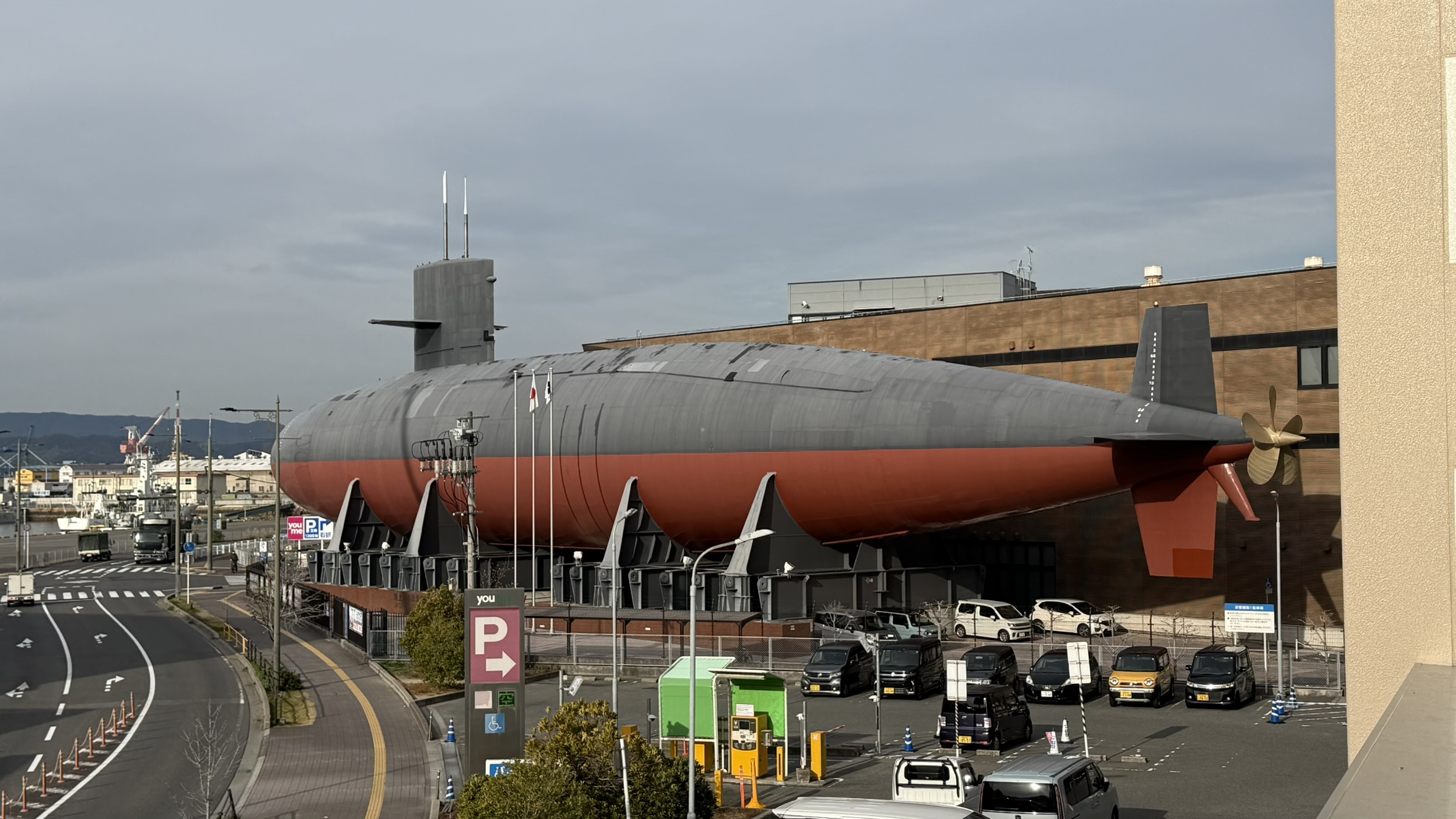
The JMSDF Kure Museum, known locally as the Yamato Museum, tells the history of Japanese naval technology from the Meiji era through World War II and into the present. The centrepiece is a 1:10 scale model of the Yamato — ten metres long, extraordinarily detailed, and unexpectedly moving. Outside the museum, you can board a decommissioned submarine and walk through its cramped interior. It puts something in you that photographs don't quite convey.
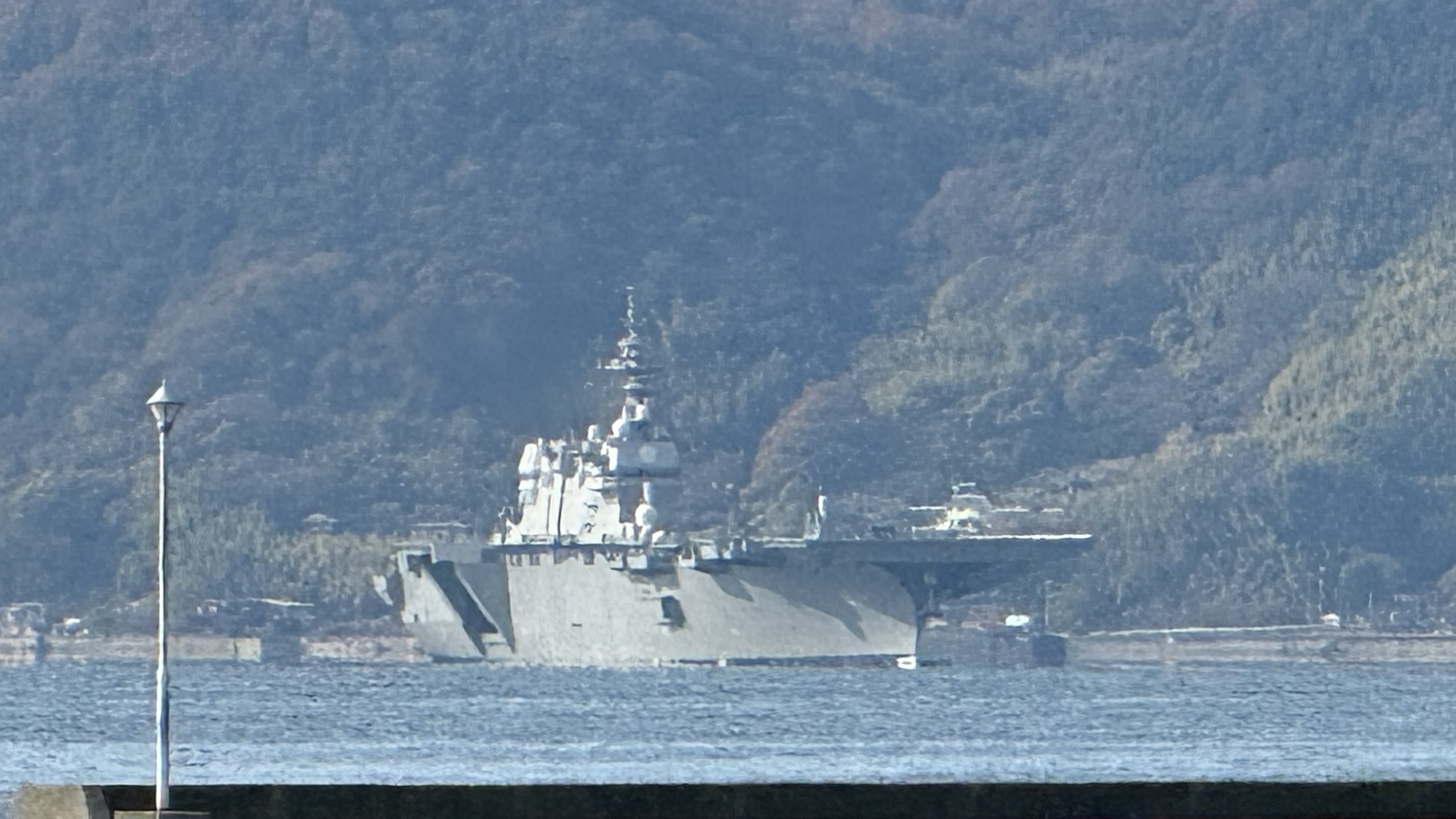
The city itself is charming in the way quiet Japanese port towns often are: covered shopping arcades, old sweet shops, a harbour front where you can sit and watch the water. This is a different layer of wartime history to the Peace Memorial — equally important, and rarely visited by foreign tourists.
After the museum, walk down to the harbour front and sit for a while. Kure is a city that rewards stillness.
Yamato Museum — ¥500 adults. Closed Tuesdays. Open 9am–6pm.
Submarine (Tecr Museum) — Free admission.
Time needed — Half a day
Links — Official site ↗ · Google Maps ↗
05The sake breweries of Saijō
Forty minutes east of Hiroshima by train, Saijō is Japan's other great sake region — less well-known than Nada or Fushimi, but equally good, and far more personal. The Sakagura-dōri district has eight working breweries within easy walking distance of the station. Their chimneys line up against the sky in a row that looks like something out of an old woodblock print.
"I prefer it cold, in autumn, with the smell of fermenting rice in the air."
Most breweries open their shops to visitors and offer free tastings. You walk in, they pour, you drink, and you buy if you like what you find. Some have small museums attached — histories of local sake-making going back centuries. The sake itself, made with the soft groundwater of the Saijō basin, is known for being light and clean on the palate. I prefer it cold, in autumn, with the smell of fermenting rice in the air.
In October, the Saijō Sake Festival turns the entire district into a vast open-air tasting event. Breweries set up stalls, crowds arrive from across Japan, and the atmosphere becomes something between a village festival and a very civilised party. It's one of my favourite days of the year.
Even outside festival season, it's worth going. Most breweries welcome visitors quietly and without fuss — just walk in.
Cost — Free to walk and taste (purchasing optional)
Best time — October for the Sake Festival. Year-round otherwise; most shops open 9am–5pm.
Time needed — 2–4 hours
Links — Tourism info ↗ · Google Maps ↗
Not every one of these places will suit every trip. But Hiroshima has a way of surprising people who thought they already knew what they came to see. I hope one of these leads you somewhere you didn't expect.